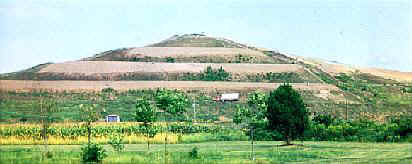
America
Is Sinking Under A Tidal Wave Of Waste!
The U.S. has no effective federal laws or infrastructure in place to minimize waste,
maximize recycling, nor protect the environment and public health.
It's
as if Detroit built cars, but the government refused to pass any traffic laws.
That's the current state of waste management in the United States,
out-of-control. What happened to the Solid Waste Disposal Act of 1976?
Nothing much. The 'state plan' provisions of the Act requires the states to come up with their own plans to maximize recycling and minimize waste. A
50-state solution (rather than 1 federal plan) was never a great idea to
begin with. And as with many other environmental laws, there has been no effective enforcement by the EPA. The goal of
'Zero Waste' depends on ordinary people to lead by example
and transition to a lifestyle that protects human health and the
environment, as well as lobby for 'disposal
bans' and other solutions that make sense. This website is devoted to educating visitors on the state of waste management in the U.S. and what you can do about it.
Much of the information is still current, but some is dated. So please, take the time to explore the many webpages contained within.
WHAT CAN YOU DO? Something Personal & Something Political
 Stop Waste & Get Healthy!
Pass Federal & State "Disposal Bans"
Ban Foreign Waste
Imports
Read Lynn Landes's still timely 1997 article,
"River of Waste" published in a compilation of articles for high school students called, Pollution: Opposing Viewpoints Series by
Greenhaven Press.
ADDITIONAL
WASTE ISSUES & INFORMATION:
Statistics
- America generates more waste every year, growing from a 247 million tons of non-hazardous waste in 1990, to 409 million tons in 2001, according to BioCycle magazine, an industry publication. Although 32% of municipal waste is reported to be recycled, there are two problems with this picture. One is that the Environmental Protection Agency (EPA) estimated in 1988 that municipal waste was only 2% of all waste generated, and secondly, the total amount of waste generated, recycled, or disposed is not truly known because the EPA has not collected or confirmed that data. Failure to do so is in violation of federal requirements.
Local Waste Disposed + Imports + Exports
- Recycled
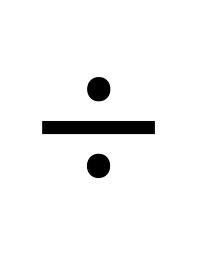 by Population = Waste Mgt. Performance
Solid Waste Disposal Act of 1976 - The Act required states to develop and implement "state plans" that "maximize" waste reduction and recycling by 1980. Most states ignored the Act and implemented voluntary recycling programs, instead. EPA has refused to enforce the Act on the false premises of 'unfunded mandate' and state control.
State Waste Imports - The Federal Courts have ruled that states can not control waste imports through discriminatory laws directed against waste imports. However, ‘disposal bans’, when equally applied to both in-state and out-of-state waste, do not discriminate and do pass judicial review.
Economics of Waste - For every one job waste disposal creates, recycling creates 5-10 jobs. It is estimated that Americans spend $100/ton to dispose of 'municipal waste'. In 1999, we disposed of approximately 274 million tons of mostly municipal waste at an approximate cost of $27 billion. That may be only 2% of total waste disposed. In addition, industries that compete directly with recycling (mining, logging, etc.), received 15 federal tax and spending subsidies totaling $13 billion from 1992-1997.
States' Politics of Waste - In order to placate public outrage at uncontrolled waste imports, some state legislatures have passed legislation that discriminates against out-of-state waste - a tactic they know won’t pass federal court review.
Federal Interstate Waste Legislation - Many politicians have said that only Congressional action can stop waste imports. Not true. Disposal bans can be used to affect waste imports. Also, most of the proposed federal legislation does not protect states from waste imports, but instead allows local communities to sign agreements with waste companies, over-riding potential state laws to limit waste imports.
WHAT IS WASTE? Includes U.S. Federal Definitions of Waste Types
TEACHERS & STUDENTS!
This website is mainly "serve
yourself". We do not send out literature, media kits, etc.
We will try to answer emails, phone calls, zoom calls, but please do not send us postal letters to respond to. Some of the info on this website has not been updated. That said, not much has changed. Thank you for visiting!
Lynn Landes, ZWA Founder
Check out LynnLandes.com
Contact:
lynnlandes@gmail.com
215-629-3553